
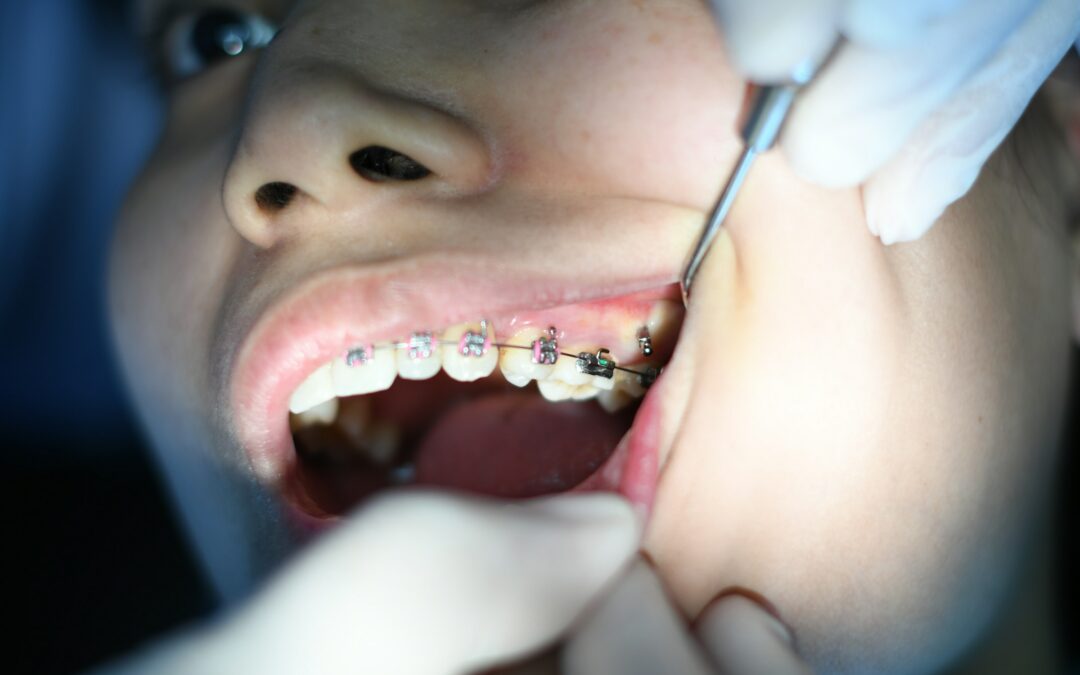
Thinking about braces or clear aligners can bring up plenty of questions, especially when you are not sure what will happen on your first visit. The appointment is usually less complicated than it may seem and focuses on understanding your teeth, bite, and overall orthodontic needs.
In this blog, we will explain what happens during a first orthodontic appointment, what the orthodontist may examine, what you should bring, and what you can expect afterward. Knowing these details can help you arrive prepared and feel more comfortable asking questions about your care.
What Happens During Your First Orthodontic Appointment?
Every visit may be a little different, but most first appointments follow a few important steps. Here are the main things you can expect during your visit:
1. The Appointment Usually Starts With a Conversation
Before the examination, the orthodontic team will ask about your concerns and dental history.
This conversation helps the orthodontist understand your concerns and determine what should be checked during the examination.
2. Your Teeth and Bite Will Be Examined
The next part of the first orthodontic appointment usually involves a detailed examination of your teeth and bite. Orthodontic specialists in Maricopa may evaluate several aspects of your dental development to understand how your teeth and jaws are working together.
The orthodontist may check:
- Tooth alignment
- Crowding or spacing
- The position of your upper and lower teeth
- Your bite when your mouth is closed
- Jaw position and development
- Tooth rotation
- How your teeth meet when chewing
The goal is not simply to see whether your teeth are crooked. The orthodontist also looks at how your teeth, bite, and jaws work together. Concerns such as overbite, underbite, crossbite, open bite, spacing, and crowding may be identified.
3. Diagnostic Records May Be Recommended
Depending on your situation, additional records may be needed during the first orthodontic appointment. These can provide information that cannot be seen during a regular visual examination.
They may include:
- Dental X-rays
- Digital photographs
- Digital scans
- Traditional impressions
Why are X-rays Sometimes Needed?
X-rays can help the orthodontist examine areas below the gum line, including:
- Developing teeth
- Tooth roots
- Missing or extra teeth
- Jaw development
- Impacted teeth
Not every patient needs the same records. The recommendations depend on factors such as age, dental history, symptoms, and treatment needs.
What About Digital Scans?
Some practices use digital scans instead of traditional impressions. A scan creates a detailed image of the teeth that can help evaluate alignment and plan treatment. For patients who dislike traditional impressions, this can be a more comfortable option.
4. You May Learn About Your Orthodontic Problems
After the examination and necessary records, the orthodontist can explain what they found. This is an important part of the first orthodontic appointment because it helps you understand your dental concerns and available options.
You may learn that you have:
- Crowded teeth
- Excess spacing
- An overbite
- An underbite
- A crossbite
- An open bite
- Rotated or incorrectly positioned teeth
- Jaw development concerns
If you want to learn more before your visit, understanding common orthodontic problems can also help you prepare useful questions.
Having an orthodontic concern does not automatically mean that you need braces. The orthodontist considers your individual dental and bite needs before recommending treatment.
5. Your Treatment Options Will Be Discussed
If treatment is recommended, the orthodontist will explain the options that may suit your situation. These could include traditional braces, clear aligners, retainers, or other orthodontic appliances.
The appropriate option can depend on:
- The position of your teeth
- Your bite
- Your age
- Your treatment goals
- The complexity of your case
- How well you can follow treatment instructions
For example, clear aligners are removable and need to be worn as directed, while traditional braces remain attached to the teeth during active treatment. Ask why a particular option is recommended for your specific needs.
6. You Will Get an Idea of Treatment Time
Many patients want to know how long orthodontic treatment will take. There is no fixed timeline for everyone because treatment length depends on the complexity of the problem, treatment method, age, tooth movement, and how well instructions are followed.
During the first orthodontic appointment, you may receive an estimated treatment timeline. Keep in mind that this is an estimate and can change as treatment progresses.
You can ask:
- How long might my treatment take?
- How often will I need appointments?
- What could delay my treatment?
- Will I need a retainer afterward?
7. The Orthodontist May Explain the Next Steps
Not everyone starts treatment immediately after the first visit. Some patients may need additional records or a follow-up appointment, while children may be advised to wait and monitor tooth or jaw development.
Your next step may involve:
- Reviewing diagnostic records
- Finalizing a treatment plan
- Discussing treatment costs
- Scheduling another appointment
- Starting braces or another appliance
- Monitoring dental development
If you are considering treatment with an affordable Maricopa orthodontist, it is also helpful to understand exactly what is included in the proposed treatment plan.
8. Prepare Questions and Important Information
Preparing before your appointment can help you get more from your visit. If you have previous dental records, recent X-rays, or information about earlier orthodontic treatment, bring them if available.
You may also want to bring:
- Dental insurance information
- A list of medications
- Previous dental treatment details
- A list of questions
- Notes about any dental discomfort or bite concerns
Consider asking about your treatment options, estimated timeline, oral hygiene, appointment frequency, costs, and what happens if an orthodontic appliance breaks.
You do not need to know everything before your visit. Asking questions can help you understand your treatment and feel more comfortable with the next step.
What Happens After the First Orthodontic Appointment?
Once the examination is complete, you should have a clearer understanding of your dental and orthodontic needs.
Some people leave knowing that they are ready to begin treatment. Others may need additional records or a follow-up consultation. In some cases, the recommendation may simply be to monitor growth and tooth development.
The important thing is that you understand the next step and why it has been recommended.
If treatment is advised, ask about the responsibilities involved. Orthodontic treatment requires regular care at home as well as professional monitoring. Brushing carefully, keeping appointments, following dietary instructions, and wearing removable appliances as directed can all contribute to a smoother treatment experience.
How Can Orthodontic Treatment Support Your Dental Health?
Orthodontic care is often associated with having straighter teeth, but treatment can involve more than appearance.
Correcting certain alignment and bite concerns may make some areas easier to clean and can improve the way the teeth come together. Depending on the individual situation, orthodontic treatment may also support more comfortable chewing and better dental function.
If you are considering treatment, it can be helpful to understand the potential benefits of orthodontic treatment before deciding whether it is right for you.
Every patient is different, so treatment should be based on an individual examination rather than a general expectation about what braces or aligners can accomplish.
When Should You Schedule an Orthodontic Evaluation?
There is no need to wait until a dental problem becomes uncomfortable before asking about orthodontic care.
Parents may be advised to have a child evaluated when certain dental development concerns become noticeable. Adults can also seek an evaluation if they have noticed tooth movement, crowding, bite changes, or other concerns.
A general dentist may also recommend an orthodontic evaluation when they notice a bite or alignment issue during a routine dental visit.
For families who already receive regular care from a family dentist in Maricopa, discussing orthodontic concerns during a routine appointment can be a practical starting point.
The important point is that an evaluation does not necessarily mean you will need braces. It simply gives you more information about your teeth and bite.
How Maricopa Family Dentistry Can Help With Orthodontic Care
Knowing what to expect from an orthodontic visit can make the process feel much easier, especially if you or your child is considering treatment for the first time. At Maricopa Family Dentistry, patients can discuss concerns about tooth alignment, bite changes, or other signs that may warrant an orthodontic evaluation.
For anyone choosing a family dentist in Maricopa, an appointment can be a useful opportunity to:
- Discuss Concerns: Share changes you have noticed in your teeth, bite, or jaw.
- Review Dental Health: Consider your current oral health before moving forward with orthodontic care.
- Understand Recommendations: Ask why an orthodontic evaluation or treatment may be suggested.
- Explore Next Steps: Learn whether additional examination, records, or specialist care may be appropriate.
- Ask Questions: Get clear information about what to expect before making treatment decisions.
Orthodontic care is not the same for everyone. A careful discussion of your dental history, current concerns, and treatment goals can help you understand what may be appropriate for your situation.
Final Thoughts
Your first orthodontic appointment is a chance to understand your teeth, bite, and possible treatment needs. You may have an examination, discuss your concerns, and learn about suitable next steps.
You do not need to know everything about braces or aligners beforehand. Bring your questions, be open about your concerns, and make sure you understand the recommendations. Whether treatment starts soon or your teeth are monitored first, the visit can help you make a more informed decision about your oral health.
FAQs
1. How long does a first orthodontic appointment take?
The length can vary depending on the examination, records needed, and complexity of the case. Your dental team can provide a more specific estimate when scheduling the appointment.
2. Do I need X-rays during my first orthodontic appointment?
Not necessarily. The orthodontist will determine whether X-rays or other diagnostic records are appropriate based on your dental history and individual needs.
3. Can adults have an orthodontic appointment?
Yes. Orthodontic evaluations are not limited to children and teenagers. Adults can also be evaluated for tooth alignment and bite concerns.
4. Will I get braces during my first appointment?
Usually, the first orthodontic appointment focuses on evaluation and treatment planning. Some patients may be able to begin treatment later, while others may need additional records or monitoring first.
5. What should I ask during my orthodontic appointment?
Ask about your specific dental concerns, available treatment options, estimated treatment time, expected costs, oral hygiene requirements, follow-up visits, and whether you will need a retainer after treatment.


