
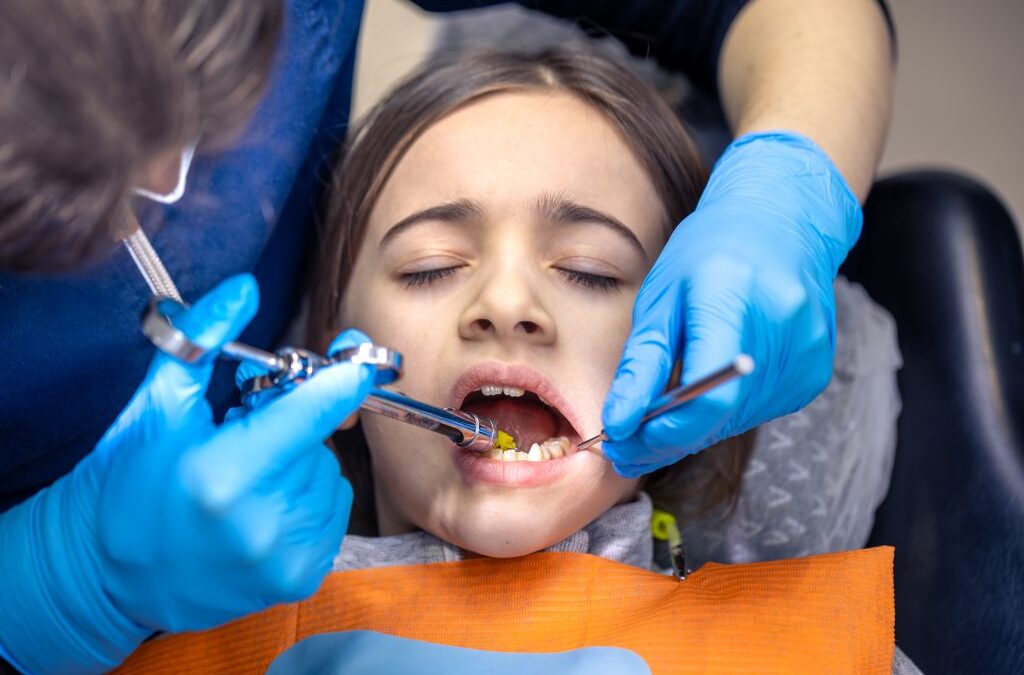
Many people experience teeth alignment problems at some point in their lives, but understanding the exact issue is important before choosing treatment. Two of the most common orthodontic concerns are crooked teeth and crowded teeth. While these terms are often used interchangeably, they describe different dental conditions that can affect both oral health and appearance.
When comparing crooked vs crowded teeth, the distinction usually comes down to tooth positioning versus available jaw space. Both conditions fall under the category of misaligned teeth, and both can lead to challenges with cleaning, biting, chewing, and overall smile confidence.
At Maricopa Family Dentistry, we help patients understand the root causes of alignment issues and provide customized orthodontic treatment for crowded teeth designed to improve long-term dental health and aesthetics.
Understanding Teeth Alignment Problems
Teeth alignment problems can affect both oral health and smile appearance. Issues like crooked or crowded teeth may make cleaning difficult, increase bite problems, and impact overall confidence over time.
What Causes Misaligned Teeth?
Several factors can contribute to dental misalignment. In many cases, patients inherit certain jaw structures or tooth positioning patterns from their family. However, lifestyle habits and developmental issues can also play a significant role.
1. Genetics
Genetics often determine jaw size, tooth size, and spacing patterns. If parents experience alignment concerns, children may also develop similar orthodontic conditions.
2. Thumb Sucking
Extended thumb sucking during childhood may place pressure on developing teeth and jaws, causing shifting or improper positioning over time.
3. Jaw Size Issues
When the jaw is too small to accommodate all teeth properly, crowding and irregular alignment can occur.
4. Early Tooth Loss
Losing baby teeth too early can allow nearby teeth to drift into open spaces, disrupting normal eruption patterns.
5. Poor Oral Habits
Tongue thrusting, mouth breathing, and nail biting may gradually affect dental alignment and bite development.
Why Teeth Alignment Matters
Straight, properly positioned teeth support much more than cosmetic appearance.
1. Oral Hygiene Difficulties
Misaligned teeth create tight spaces where plaque and bacteria accumulate, increasing the risk of cavities and gum disease.
2. Bite Problems
Improper alignment may place uneven pressure on teeth and jaw joints during chewing.
3. Speech Concerns
Certain alignment issues can interfere with pronunciation and speech clarity.
4. Smile Appearance and Confidence
Many patients seek orthodontic care because alignment issues affect self-esteem and social confidence.
What Are Crooked Teeth?
Crooked teeth refer to teeth that twist, rotate, tilt, or shift out of their proper position. In this condition, individual teeth may lean inward, outward, or overlap irregularly without necessarily involving severe spacing limitations.
Some patients have only one or two crooked teeth, while others may experience widespread alignment irregularities throughout the mouth.
Common signs include:
- Rotated teeth
- Teeth leaning at unusual angles
- Uneven smile appearance
- Bite irregularities
- Difficulty brushing certain areas
Crooked teeth may also contribute to plaque buildup, enamel wear, and jaw discomfort when left untreated.
Common Causes of Crooked Teeth
Crooked teeth may develop due to genetics, jaw misalignment, or childhood habits like thumb sucking. These factors can gradually shift teeth out of position and affect overall bite function.
1. Genetics
Inherited jaw structure and tooth size can influence tooth positioning.
2. Jaw Misalignment
Upper and lower jaws that do not align correctly may force teeth into abnormal positions.
3. Childhood Habits
Thumb sucking and prolonged pacifier use may alter tooth alignment during development.
Problems Caused by Crooked Teeth
Untreated alignment issues may lead to several oral health complications.
1. Uneven Wear
Teeth may experience excessive pressure in certain areas, causing premature enamel erosion.
2. Jaw Discomfort
Improper bite alignment can strain jaw muscles and joints.
3. Difficulty Cleaning Teeth
Twisted or overlapping teeth create hard-to-reach areas where bacteria thrive.
Many patients benefit from professional crooked teeth treatment to improve both function and appearance while reducing long-term dental risks.
What Are Crowded Teeth?
Crowded teeth occur when there is insufficient space in the jaw for teeth to fit properly. As teeth compete for limited space, they overlap, shift, or compress together.
Unlike crooked teeth, which primarily describe positioning, crowding specifically relates to spacing limitations within the jaw.
Crowded teeth can range from mild to severe and often become more noticeable as permanent teeth erupt.
Common Causes of Crowded Teeth
Crowded teeth often occur when there is not enough space in the jaw for teeth to grow properly. Small jaw size, delayed tooth eruption, and extra teeth can all contribute to crowding.
1. Small Jaw Structure
A narrow or undersized jaw is one of the most common causes of crowding.
2. Extra Teeth
Additional teeth may create excessive pressure and limit available space.
3. Delayed Tooth Eruption
Improper eruption timing can interfere with natural alignment patterns.
Signs You May Have Crowded Teeth
Overlapping teeth, difficulty flossing, and frequent gum irritation are common signs of crowded teeth. Many patients also notice plaque buildup and cleaning challenges in tight spaces.
1. Overlapping Teeth
Teeth may stack on top of each other or shift forward and backward.
2. Difficulty Flossing
Tight spacing often makes flossing uncomfortable or ineffective.
3. Gum Irritation
Crowded areas trap plaque and food particles, increasing gum inflammation.
Professional crowded teeth treatment can help restore proper spacing and improve overall oral health.
Crooked vs Crowded Teeth — What’s the Real Difference?
Understanding crooked vs crowded teeth is important because treatment approaches may vary depending on the underlying cause.
| Feature | Crooked Teeth | Crowded Teeth |
| Main Issue | Improper tooth positioning | Lack of jaw space |
| Appearance | Twisted or tilted teeth | Overlapping or compressed teeth |
| Common Cause | Tooth rotation or jaw imbalance | Small jaw structure |
| Oral Health Impact | Uneven bite and wear | Cleaning difficulties and plaque buildup |
| Severity | Mild to severe | Mild to severe |
| Treatment Approach | Alignment correction | Space creation and alignment |
Some patients experience both conditions simultaneously. For example, limited jaw space may force teeth into crooked positions over time.
Because every smile is unique, orthodontic evaluations are essential for determining the most effective treatment strategy.
Can Crooked and Crowded Teeth Affect Your Oral Health?
Both conditions can significantly impact oral health if left untreated.
1. Tooth Decay Risks
Misalignment creates areas where plaque accumulates, increasing cavity risk.
2. Gum Disease Concerns
Crowded spaces can trap bacteria beneath the gumline and contribute to inflammation.
3. Bite Alignment Problems
Improper positioning may strain teeth and jaw joints during chewing.
4. TMJ Discomfort
Some alignment problems place stress on the temporomandibular joint, causing pain or headaches.
5. Difficulty Maintaining Oral Hygiene
Patients with severe teeth alignment problems often struggle to brush and floss effectively.
Early treatment can reduce these risks while improving comfort and function.
Treatment Options for Crooked and Crowded Teeth
Modern orthodontics offers several effective solutions for alignment concerns.
Braces for Teeth Alignment
Traditional braces remain one of the most effective treatments for moderate to severe alignment issues.
Traditional Braces
Metal brackets gradually shift teeth into healthier positions using controlled pressure.
Ceramic Braces
Ceramic braces offer a more discreet appearance while delivering reliable results.
Clear Aligners
Clear aligners are popular for mild to moderate cases because they are removable and less noticeable.
Benefits include:
- Comfortable fit
- Easier oral hygiene
- Minimal dietary restrictions
- Improved aesthetics during treatment
Many patients seeking orthodontic treatment for crowded teeth choose clear aligners for their convenience and appearance.
Tooth Extraction in Severe Crowding Cases
In some severe crowding cases, removing one or more teeth may create sufficient space for proper alignment.
Orthodontists carefully evaluate jaw structure before recommending extraction-based treatment plans.
Retainers After Treatment
Retainers help maintain alignment results after braces or aligners are completed.
Without retainers, teeth may gradually shift back toward their previous positions.
Patients receiving crooked teeth treatment should follow long-term retainer instructions carefully to preserve results.
When Should You See an Orthodontist?
Patients should seek orthodontic evaluation if they notice:
- Overlapping teeth
- Bite irregularities
- Difficulty cleaning teeth
- Jaw discomfort
- Speech changes
- Visible shifting or crowding
Early evaluations often allow for simpler and more effective treatment planning.
At Maricopa Family Dentistry, our orthodontic specialists in Maricopa create customized care plans based on each patient’s unique needs and smile goals. Whether patients require braces, aligners, or advanced corrective care, working with an experienced orthodontist whom Maricopa residents trust can improve long-term outcomes.
We also understand that affordability matters. Patients searching for an affordable Maricopa orthodontist can explore flexible treatment options designed to fit different budgets and lifestyles.
Why Choose Maricopa Family Dentistry for Orthodontic Care?
At Maricopa Family Dentistry, we focus on providing personalized orthodontic care in a welcoming and comfortable environment.
Our team offers:
- Customized treatment plans
- Advanced orthodontic technology
- Clear aligner solutions
- Traditional and ceramic braces
- Long-term smile maintenance support
- Compassionate patient-centered care
As a trusted dentist, Maricopa, AZ families rely on, we prioritize both oral health and smile aesthetics. Patients looking for a reliable dentist, Maricopa community members recommend, can feel confident knowing our team combines experience with modern dental care techniques.
In addition to orthodontics, we also provide comprehensive cosmetic dentistry that Maricopa patients can use to enhance smile appearance after alignment treatment is complete.
Conclusion
Understanding the difference between crooked and crowded teeth is essential for choosing the right orthodontic treatment. While crooked teeth involve improper positioning, crowded teeth develop when there is not enough space in the jaw for proper alignment.
Both conditions can affect oral health, bite function, and confidence if left untreated. Early evaluation and customized orthodontic care can improve dental function while creating a healthier, more attractive smile.
At Maricopa Family Dentistry, we are committed to helping patients achieve lasting results through advanced orthodontic solutions tailored to their needs. Scheduling an orthodontic consultation is the first step toward a straighter, healthier smile.
Frequently Asked Questions
Are crooked teeth and crowded teeth the same?
No. Crooked teeth refer to improper positioning or rotation, while crowded teeth result from insufficient space in the jaw.
Can crowded teeth get worse over time?
Yes. Crowding may gradually worsen due to shifting teeth, aging, or untreated bite issues.
What is the best treatment for crooked teeth?
Treatment depends on severity and may include braces, clear aligners, or other orthodontic solutions.
Do clear aligners work for crowded teeth?
Yes. Clear aligners can effectively treat mild to moderate crowding cases when supervised by an orthodontic professional.
When should I visit an orthodontist for teeth alignment problems?
Patients should seek evaluation when they notice overlapping teeth, bite discomfort, cleaning difficulties, or visible alignment changes.


